Summit Meetings
Connecting the international PWS community through dialogue and action.
IPWSO Summit Meetings provide an international online forum at which key issues of relevance to people with PWS and their families, and our international community, will be discussed. People living with PWS and their families, clinicians, researchers, professional caregivers, PWS association leaders, pharmaceutical company representatives, and others with a personal or professional interest in PWS are invited to participate.
Our meetings are open to all and we look forward to lively discussions among our speakers and audience.
Next meeting: Wednesday 11 November, 2026
1pm London, UK time on Zoom
Preventing unexpected death in PWS: Recognising risk, responding early and learning from families
Click here to convert to your local time. Meetings are 90 minutes.
To attend, click “RSVP” to register and add the meeting to your calendar.



We want everyone to feel able to take part in our meetings. If you need help with language or communication, you are welcome to have an interpreter, family member or caregiver with you. If there is anything else we can do to make it easier for you to participate, please let us know. email office@ipwso.org
Unexpected deaths in people with PWS have a profound impact on families and communities. While not all deaths can be prevented, there is growing recognition that earlier identification of risk factors, improved understanding of PWS-specific health needs, and better communication between families and professionals may reduce preventable harm.
This Summit Meeting will explore practical strategies for recognising serious illness, responding appropriately to medical concerns and learning from the experiences of bereaved families. The session will combine clinical expertise, emerging research and lived experience to identify ways to improve care and outcomes for people with PWS.
Speakers and topics
Understanding Mortality Risk in PWS
Professor Maithé Tauber and Dr Gwenaelle Diene, France
What we know about causes of death in PWS, risks across the lifespan, warning signs and opportunities to reduce preventable harm.
Dysphagia, Aspiration and Airway Risks
Roxann Diaz Gross, PhD, USA
Swallowing difficulties, aspiration and choking risks, including warning signs, management and prevention.
Gastrointestinal Health and Medical Emergencies
Ann O. Scheimann, MD, MBA, USA
Important gastrointestinal risks in PWS and recognising symptoms that require urgent medical attention.
Learning from Bereavement: Improving Care in PWS
Gina Skourti, UK
What we can learn from families’ experiences, including recognising vulnerability, listening to families and identifying wider patterns of risk.
Learning from Jacob’s story
Jo Davies, PWS Association New Zealand
A pre-recorded family perspective, shared with participants ahead of the meeting, reflecting on lessons that may help improve care for other people with PWS.
The live presentations will be followed by a panel discussion and audience questions, focusing on practical lessons for families, caregivers and healthcare professionals.
Speaker information coming soon
Previous Summit Summaries
Make a donation
We cannot provide these services without your support. Please consider making a donation.
< Back to News & Events
International Community
IPWSO was established so that PWS associations, families, clinicians and caregivers around the world could exchange information and support and have a united global voice under one umbrella.
Information for
Families
Find useful guides, research and information to help families manage PWS.
Information for Medical Professionals
The latest medical and scientific research and information, plus guides into common medical issues affecting people with PWS.
Information for
Professional Caregivers
Sharing international knowledge among professional service providers throughout the world.
What is PWS?
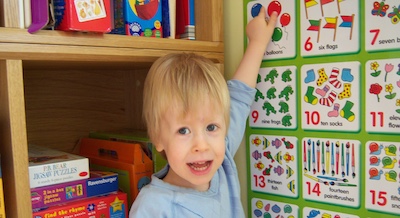
Prader-Willi syndrome is a complex genetic condition. Various studies have shown that between 1 in 15,000 to 25,000 children are born with Prader-Willi syndrome and it affects all races and both sexes equally.
Free Genetic Screening
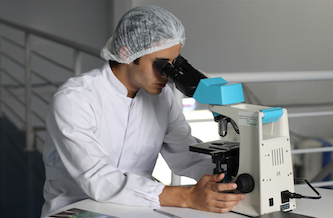
If you suspect your patient has Prader-Willi syndrome, based on the clinical signs and symptoms, but are unable to access testing in your country, then you may be able to access free genetic screening.
Find support in my country
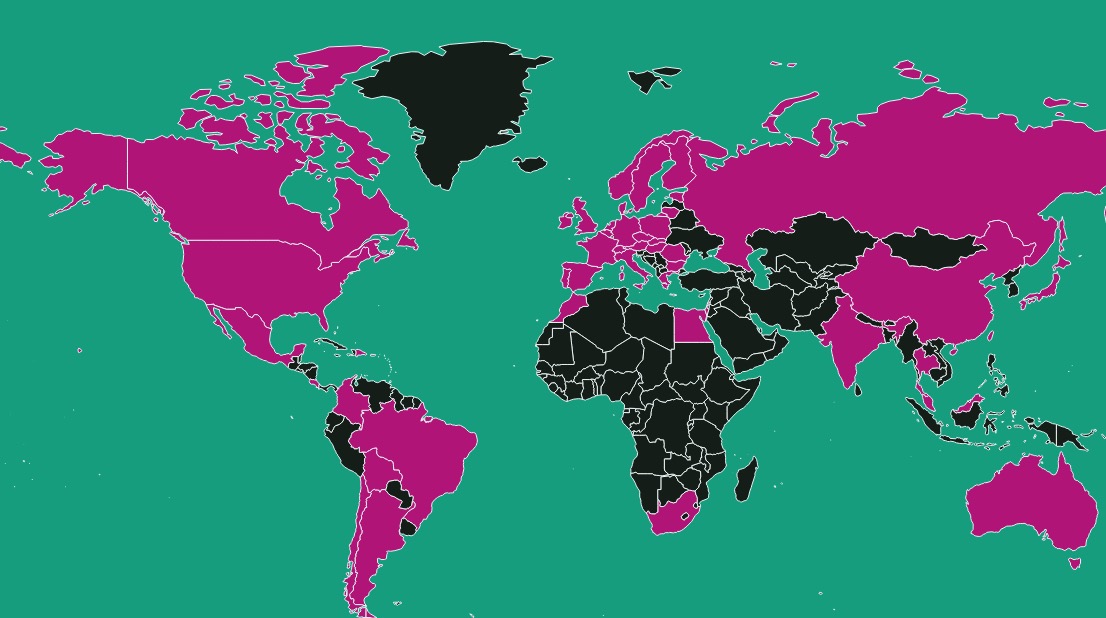
We have contacts in many countries and regions around the world.