Family Meetings
Supporting success at school: Planning for PWS throughout the school years
This meeting took place Wednesday 15 April, 2026
Read the Meeting Summary here.
View the presentations below, and scroll down to find a list of documents and information to help parents and educators support students with PWS.
Video presentations
Barbara J. (BJ) Goff, Ed.D. and Elizabeth Roof, M.A., bring together decades of complementary experience in education and research to address planning for students with Prader–Willi syndrome across the school years. BJ Goff is Professor Emeritus of Special Education at Westfield State University with over 35 years’ experience supporting individuals with PWS in educational settings and serves as Educational Adviser to IPWSO. Elizabeth Roof is a Senior Research Specialist at Vanderbilt University and has led more than 30 years of longitudinal research with children, adolescents, and adults with PWS, alongside extensive consultation with families and schools. Together, they combine practical classroom expertise with research‑driven insight to support successful educational outcomes for students with PWS.
Michael Rubin and Cathy Mallove are Toronto (Canada)‑based parents of daughters with PWS who bring personal and practical insight into navigating school systems. Michael, a clergy member and educator, lived in Israel for 17 years before settling in Toronto with his partner, Iris, and their daughter, Elah, who was diagnosed at four and a half; his background in education and inclusion work shaped how he supported her learning. Cathy is a strategic communication and change‑management professional with over 25 years’ experience across sectors and has been an active leader within the Ontario (Canada) PWS Association. She is also a member of IPWSO’s Famcare Board. Her advocacy began with helping Rebecca move through elementary and secondary school, and then post-school transition to adult living. Together, Michael and Cathy share distinct perspectives, lessons, and insights from supporting their daughters’ very different educational paths.
Salman Shaban is a third‑generation family business leader in the metal recycling and aluminium manufacturing industry, currently based in Doha, Qatar, where he serves as Director at Lucky Group, overseeing strategy and international sales with a strong focus on sustainability and ESG standards. With over 20 years of global experience, he has led major capital projects and sustainability initiatives across diverse markets. Beyond his professional work, Salman is a committed advocate for inclusion, inspired by his daughter Soha’s diagnosis with PWS shortly after her birth in 2011. He works closely with schools, healthcare institutions, and advisory boards to raise awareness, improve accommodations, and support families, bringing a global perspective and deeply personal motivation to his work.
More information
- Information for Families – Education and Transition
- Selecting a school environment for your child with Prader-Willi syndrome – Elizabeth Roof (video)
- The child with PWS in the school – Larry Genstil (video)
- Introduction to student booklet example
- Things to consider in a school setting – BJ Goff
- Translated Guides
- List of documents and information to support success in school from PWS Associations around the world
Make a donation
We cannot provide these services without your support. Please consider making a donation.
< Back to News & Events
International Community
IPWSO was established so that PWS associations, families, clinicians and caregivers around the world could exchange information and support and have a united global voice under one umbrella.
Information for
Families
Find useful guides, research and information to help families manage PWS.
Information for Medical Professionals
The latest medical and scientific research and information, plus guides into common medical issues affecting people with PWS.
Information for
Professional Caregivers
Sharing international knowledge among professional service providers throughout the world.
What is PWS?
Prader-Willi syndrome is a complex genetic condition. Various studies have shown that between 1 in 15,000 to 25,000 children are born with Prader-Willi syndrome and it affects all races and both sexes equally.
Free Genetic Screening
If you suspect your patient has Prader-Willi syndrome, based on the clinical signs and symptoms, but are unable to access testing in your country, then you may be able to access free genetic screening.
Find support in my country
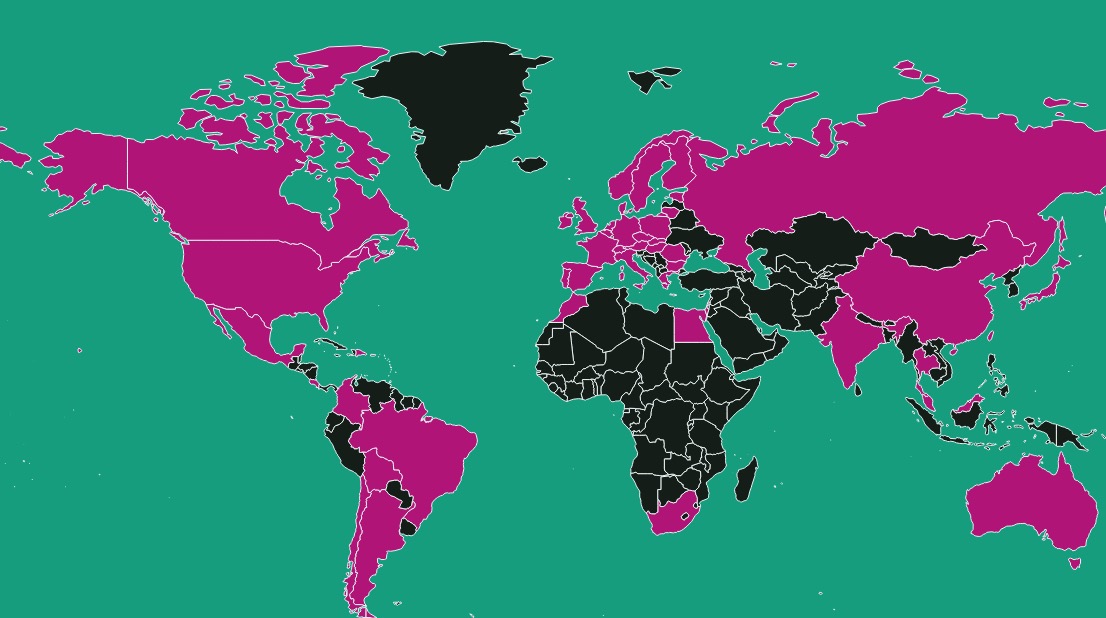
We have contacts in many countries and regions around the world.