Sign up to our newsletter

Contact Us

  1. Home
  2.  » 
  3. Information for Medical Professionals
  4.  » Clinical Research

Clinical Research

IPWSO supports the undertaking of clinical trials including: pharmaceutical agents to treat specific aspects of PWS, such as trials of treatments for the initial failure to thrive, to improve social development and to reduce hyperphagia; and also trials of growth and sex hormone replacement and interventions, such as  medical devices or psychological therapies, to treat problem behaviours. IPWSO recognises that properly conducted trials, the results of which are published in established peer-reviewed scientific journals, are a necessary part of developing and providing safe and effective treatments for people with PWS and we wish to see such new treatments become available to all people with PWS in the future.

Introduction 

This document has been prepared by the Clinical and Scientific Board of IPWSO and was considered by the Board of Trustees of IPWSO at their teleconference on 15th July 2019 and  subsequently approved by the  Board of Trustees on 19th August 2019.  

This policy has been prepared in response to the fact that IPWSO receives requests from Pharmaceutical companies or from agents acting on their behalf to facilitate recruitment to clinical  trials. IPWSO also receives  support from Pharmaceutical  companies towards its  international conferences and other activities. The Board of Trustees of IPWSO therefore recognises that there is a risk that conflicts of interest may arise, actual or perceived, and that IPWSO may be unduly influenced, or perceived to be unduly influenced, by such sponsorship in the decisions it takes and in its subsequent actions with regards to their support for such trials.

This policy paper sets out the principles that govern IPWSO’s approach to pharmaceutical companies or other sponsors of trials.

General principles 

IPWSO may choose to support requests for help for clinical trials providing the trial has the full approval of the necessary regulatory authorities and of ethical (IRB) committees and aims to evaluate treatment that may bring benefit to the health and/or wellbeing of people with PWS.  

General principles include: 

  • IPWSO, as a charity registered in the UK, is bound by the relevant charity law and by European data protection legislation. Details of our members and of others, which are held by IPWSO, are private and would only be released and given to a third party with the consent of the organisation or person concerned.
  • IPWSO will treat all applications to facilitate the undertaking of a clinical trial similarly and will not benefit or promote one trial over another due to IPWSO receiving  any  form of financial gain from  one or other of the companies involved. IPWSO will, in no manner, be limited by any company in the support of trials by another company.
  • IPWSO expects that potential participants with PWS and other  relevant people (e.g., family members when children are involved) are fully informed prior to entering a  trial and that  appropriate  consent  procedures are followed at all times in accordance with the Declaration of Helsinki and other relevant conventions. People with PWS should not be under undue pressure to take part or be enticed to become a participant by promises, such as the provision of food.
  • The fact that IPWSO, with the agreement of the relevant parties, introduce a Pharmaceutical company or other trial organisation  to a national or local organisation that might aid recruitment to the trial should not in itself be interpreted as IPWSO endorsing the trial.
  • The company concerned and the product being tested must  meet  the requirements of the regulatory  authorities in the country concerned. It is these national (or international such as the European Medicines  Agency) authorities who are responsible for such approval and it is for the company or those delegated  by the company undertaking the trial and for those clinicians involved to ensure that these regulations are followed and that the trial is ethically and safely undertaken.
  • IPWSO  shall  ensure that it does not incur any liability to any  party conducting, participating in, or otherwise involved in any clinical trial and to the extent required shall only enter into any agreement relating to a clinical trial that contains appropriate wording excluding or (solely where agreed by the  Board) limiting  all  liability  of  IPWSO  in connection with  that  trial. Any introductions or recommendations of pharmaceutical companies, agencies or medical  practitioners to any relevant parties  for the purpose of or in connection with clinical trials shall contain a statement excluding any liability of  IPWSO that  may or does arise from that introduction or recommendation. Sample wording for such a statement is indicated below. “IPWSO does not promote any  specific clinical trial and this  introduction is made without any liability on the part of IPWSO to any person conducting or participating in any clinical trial.”

Procedures 

When receiving  a request to facilitate the  undertaking of a clinical trial IPWSO will: 

  • Seek the advice of the IPWSO  Clinical and Scientific Advisory  Board (CSAB) regarding whether the proposed is in line with accepted theories and that the company company concerned is known to have a sound reputation within the PWS research community. If necessary they will seek outside advice. The CSAB is not expected to make a detailed scientific evaluation of the trial as the trial will  have received  the necessary approvals from expert  authorities and factors, such as risk, will have been evaluated. However, if any member of the CSAB had concerns he/she should report them to the Chair of the CSAB and to  the  IPWSO President who would be  responsible for making any final  decision.
  • Depending on the nature of the request, the administrative officer of IPWSO will contact the appropriate  individuals or those individuals  representing national associations  to  ask if they wish to be put in contact  with the proposing company and  whether they consent to IPWSO  passing on their contact details. For those who do not wish to be put  in  contact, no further action will be taken. For those who do, their contact details will be passed on to the  company. The outcome of this will  then be a matter between the company and the contact.

IPWSO may from time to time write commentaries for its website on trials that are either in progress or which have been completed and results published and peer reviewed. Such commentaries will be prepared by a suitably qualified and informed person on behalf of IPWSO and will be approved by the CSAB  before being made public.   

This  policy will be kept available on our  website and sent directly to all  organisations seeking support with clinical trials, as well as to those to whom they are seeking introductions. In addition to the provisions outlined in this policy, all IPWSO interactions with the Healthcare Industry will be guided by its Code of Practice.

International Community

IPWSO was established so that PWS associations, families, clinicians and caregivers around the world could exchange information and support and have a united global voice under one umbrella.
three adults and a child smiling

Information for
Families

Find useful guides, research and information to help families manage PWS.
One man one lady at conference

Information for Medical Professionals

The latest medical and scientific research and information, plus guides into common medical issues affecting people with PWS.
Information for
Professional Caregivers

Sharing international knowledge among professional service providers throughout the world.

Paediatric Association of Nigeria - 57th Annual Scientific Conference

IPWSO was proud to support a dedicated PWS symposium at the 57th Annual Scientific Conference of the Paediatric Association of Nigeria (PAN) Conference held 21-23 January 2026 in Ogun State.

Famcare Board Member, Dr Elizabeth Oyenusi, presented on the clinical features, diagnosis, and management of PWS, while Dr Oluwakemi Ashubu shared the first  genetically confirmed case of PWS in the country - an important milestone. The session attracted over 104 delegates and sparked a lively discussion.

IPWSO also hosted an exhbition table throughout the 3-day conference, distributing educational materials  and engaging directly with healthcare professionals.

We are hugely grateful to Dr Oyenusi, Dr Ashubu and Dr Oladipo (Senior Registrar) for their support in making this educational oureach possible - helping to strengthen awareness and improve early diagnosis of PWS in Nigeria. Funding for this event was kindly provided by Friends of IPWSO (USA).

Global Newborn Society Inaugural Conference, Sweden 

The Global Newborn Society’s 1st Conference took place in Uppsala and Stockholm, Sweden, from 2-4 November 2025, marking an exciting milestone for the organisation’s international community.

 We were delighted that Dr Susanne Blichfeldt was invited to deliver a plenary lecture on behalf of IPWSO, titled “Neonatal Hypotonia: Clinical Features Seen in PWS That Can Help Differentiate It from Other Congenital Disorders with Similar Symptoms.”

 The inaugural event brought together a diverse audience of physicians, nurses, and social care leaders from around the world. The programme was wide-ranging and stimulating, featuring cutting-edge discussions on newborn health, early diagnosis, and innovative care practices - setting a strong foundation for future collaboration within this growing global network. 

ASPED 2025, Dubai, UAE

The 6th conference of the Arab Society for Paediatric Endocrinology and Diabetes was held in Dubai over two days on the 26th and 27th September 2025. IPWSO was invited to be a partner and to present at a session on PWS. The conference was attended by over 400 paediatric endocrinologists from more than 20 countries in the Middle East and North Africa. Charlotte Hoybye and Tony Holland attended and presented on behalf of IPWSO and Dr Sarah Ehtisham described her experience seeing patients with PWS in the United Arab Emirates. IPWSO hosted a stand for the whole conference.

In conversation many attendees reported seeing people with PWS and described the challenges they faced, particularly with the management of behaviour problems. Some felt nervous about starting growth hormone as they had had no experience prescribing it to infants with PWS.

Approximately 100 attendees joined the IPWSO mailing list and attendees were very keen to gain knowledge about PWS. Numerous memory sticks with information on PWS and printed material in English and Arabic were taken. Some attendees talked about establishing national or regional PWS Associations.

This was an extremely positive experience and hopefully attending this meeting has laid the groundwork for IPWSO to engage more fully in the Region in the future. We were very well looked after, and the organisers were excellent hosts.

EPNS 2025, Munich, Germany


Together with parents and representatives from the Prader-Willi-Syndrom Vereinigung Deutschland, we were proud to host a PWS exhibition stand at the 16th Congress of the European Paediatric Neurology Society, held in Munich from 8-14 July 2025. The event welcomed over 2,000 medical professionals from around the world.

We had the pleasure of engaging with attendees from Türkiye, Iraq, Palestine, Croatia, Moldova, the Philippines, Ukraine, North Macedonia, Kazakhstan, Armenia, and many local specialists.

Dr. Stefani Didt, Gesellschafter at Katholische Jugendfürsorge der Diözese Augsburg, kindly supported us at the stand and provided expert responses to clinical enquiries. We hope these international connections will contribute to raising awareness about IPWSO’s work, particularly in improving access to genetic testing in underserved regions.

We also highlighted the new treatment for hyperphagia and shared our recent publication, "Improving Mental Health and Well-being for People with PWS."

Sincere thanks to our colleagues from PWS Vereinigung Deutschland and to Dr. Didt for their invaluable support.


ESPE-ESE 2025, Copenhagen, Denmark


IPWSO was honoured to participate in the recent Joint Congress of the European Society for Paediatric Endocrinology (ESPE) and the European Society of Endocrinology (ESE), held in Copenhagen from 10–13 May 2025. This important event provided an invaluable opportunity to raise awareness of Prader-Willi syndrome (PWS) among a broad international medical audience.

IPWSO was represented by our CEO, Margaret Walker, along with Dr Charlotte Höybye from Sweden and Dr. Susanne Blichfeldt from Denmark—both esteemed members of IPWSO’s Clinical and Scientific Advisory Board.

Dr Blichfeldt noted that this congress is a major event in the clinical academic calendar and has a particular significance as it marks the first-ever joint meeting of these two prominent societies. Despite its European designation, the congress attracted participants from around the globe, including delegates from the Middle East, Africa, the United States, Japan, Australia, and New Zealand.

IPWSO’s educational booth was strategically positioned within the Patient Advisory Group area dedicated to rare disease organisations. As part of the programme, we were invited to deliver a 30-minute presentation during the Patient Voices Session. Dr Charlotte Höybye and Dr Susanne Blichfeldt presented on Prader-Willi syndrome (PWS), with a focus on genetics, endocrinology, and clinical manifestations. Our presentation, along with many others, was recorded and is now available on demand via the ESPE-ESE congress platform.

PWS was prominently featured throughout the congress. In a session on the transition of care for patients with rare diseases, Dr. Maithé Tauber (Toulouse, France) discussed the specific challenges associated with the transition period in PWS. She emphasized the need for multidisciplinary care and ongoing specialist follow-up in adulthood through dedicated PWS clinics.

Another session addressed medical and clinical management in both children and adults with PWS, again highlighting the critical importance of a smooth transition from paediatric to adult care and the role of specialised clinics. The session included an in-depth discussion on hyperphagia in PWS, exploring its profound impact on individuals and their families. Management strategies were reviewed, and a new medication, Vykat, was presented as a potential treatment for hyperphagia.

In addition, there was a strong presence of scientific posters on PWS from various countries, covering a wide range of topics such as hormonal therapies, genetic findings, ageing, and guidance for families. A total of 33 posters focused on PWS, reflecting a growing global interest and commitment to advancing knowledge and care in this area.

We were greatly encouraged by the high level of engagement and the visibility given to PWS throughout the congress. This increased awareness brings hope that more children will be diagnosed earlier and receive appropriate, specialised medical care from childhood through to adulthood.


ASPAE 2025, Abidjan, Côte d’Ivoire


After Yaounde (Cameroon 2023) and Alger (Algeria 2024), IPWSO was pleased to be present at the 16th Annual Congress of the African Society of Paediatric and Adolescent Endocrinology (ASPAE), at the invitation of Dr Kouamé Hervé Miconda, Programme Co-organiser. Prior to the main conference, IPWSO, in partnership with Dr Micondo, organised a dedicated PWS workshop which attracted 60 professionals - paediatricians, endocrinologists, doctors, students, nurses, and midwives.


MENA 2025 Abu Dhabi, UAE

The Middle East and North African (MENA) conference for Rare Diseases was held in Abu Dhabi, United Arab Emirates, between 17th and 20th April 2025. Tony Holland represented IPWSO at this meeting and presented a poster about our work. The conference was attended by clinicians, genetic councillors, scientists, and other health disciplines from across North Africa and the Middle East. The conference was in English as many clinicians in this part of the world are from elsewhere and not Arabic speakers. The conference was of a very high standard and ranged broadly across many rare genetically determined conditions as well as there also being discussions about how to develop services and how to seek approval for new treatments. Our poster was one of five that was selected as the best posters exhibited at the meeting. Tony said, "My experience of the conference was very positive and I am sure there are opportunities that can be built on. Being part of the endocrinology meeting, which is likely to be attended by endocrinologists from across the whole region, provides a wonderful opportunity to engage more fully with clinicians most likely to see people with PWS".

Kenya Paediatric Association Annual Scientific Conference, Monbassa, Kenya

Dr Menbere Kahssay and Dr Renson Mukhwana, Aga Khan University Hospital, Nairobi represented the Kenyan team and, together with Drs Constanze Laemmer and Dr Charlotte Höybye, managed the IPWSO educational booth at our first meeting in this region.

A dedicated session on PWS significantly raised awareness and knowledge about the syndrome among paediatricians and allied health professionals.

Dr Kahssay said, "We were able to have track and plenary session and four days interaction with the participants at the booth.
The PWS session focused on case experiences and regional differences in PWS management. Thanks to IPWSO’s support, Drs Charlotte Hoybye and Constanze Lammer joined as expert speakers, sharing their valuable experiences in managing PWS across the neonatal, childhood, and adult stages". 

Dr Menbere Kahssay and Dr Renson Mukhwana presented genetically confirmed local cases, highlighting diagnostic challenges and treatment approaches.

Third Biennial Rare Diseases Conference, Rare X, Johannesburg, South Africa

Karin Clarke and Molelekeng Sethuntsa organised the IPWSO exhibition table at this event in Johannesburg from 14-17 February 2024. Molelekeng attended the conference and reported on the excellent discussions that focused on the challenges of early diagnosis, especially in Africa, centres of excellence, and ways that the Department of Health, WHO and RDI can improve detection and treatment of rare diseases.


6th RARE Summit 2023, Cambridge, UK

Tony Holland, President, and Agnes Hoctor, Communications and Membership Manager, represented IPWSO at the 6th RARE Summit organised by Cambridge Rare Disease Network on 12 October, 2023.

MetaECHO® 2023, Global Conference, Albuquerque, New Mexico

The 5th MetaECHO® Global Conference took place from September 18-21 in Albuquerque, New Mexico.  It celebrated 20 years of ECHO programmes and brought together ECHO leaders, partner teams, government officials, funders, policy makers, and industry experts to share retrospective work and thoughts on the future of ECHO. Our President, Tony Holland, presented a paper on “A Global ECHO Programme for the Rare Disorder – PWS", based on IPWSO’s Project ECHO programme.

EPNS 2023, Prague, Czech Republic

The 15th European Paediatric Neurology Society Congress (EPNS) took place from 20-24 June. Tünde Liplin, PWS Hungary, and Hana Verichová, PWS Czechia, represented IPWSO. Twenty-two people from countries including Georgia, Israel, Lithuania, Turkey, Italy, Slovakia, Romania, Netherlands, Bosnia Herzegovina, Belgium, Argentina, Norway, Serbia, India, and Australia subscribed to the "Stay in touch with IPWSO!" contact list.  Tünde reported that many people came to the stand just to inquire and chat, the majority of whom were hearing about  IPWSO and our work for the first time. 

ECE 2023, Istanbul, Turkey

The European Congress of Endocrinology (ECE) took place from 13-16 May. We hosted an information table and were represented by IPWSO advisers, Constanze Lämmer and Charlotte Höybye, and also our Communications and Membership Manager, Agnes Hoctor. We were pleased to be given the opportunity to present on IPWSO and PWS at the Hub Session. The most exciting and important element for us was that the Turkish location meant that delegates came from many countries in Middle East as well as Europe.

ASPAE 2023, Yaoundé, Cameroon

We hosted an educational booth and presented at the round table on Obesity at this important Endocrinology conference hosted by the African Society of Paediatric and Adolescent Endocrinology (ASPAE) from 9-10 February. Read our blog about our visit.

ECE 2021, Online

We hosted an educational booth and gave a presentation at the European Congress of Endocrinology in May 2021.

ESPE 2019, Vienna, Austria

We exhibited at the European Society of Paediatric Endocrinology (ESPE) Conference in Vienna, Austria, which took place in September 2019. Find out more in our blog.

ECE 2019, Lyon, France

We exhibited at the European Congress of Endocrinology in May 2019.

People standing at exhibition

Dr Ashubu discussing IPWSO's educational materials with delegates at our booth.

People standing at exhibition

IPWSO was honoured to be invited to present at the Global Newborn Society's Inaugural Conference.


People standing at exhibition

Dr Sarah Ehtisham presenting at ASPED 2025 followed by a panel discussion.


People standing at exhibition

Colleagues from PWS Vereinigung Deutschland help manage our PWS stand at EPNS 2025. Many thanks to all the parents and carers for their invaluable support! 


People standing at exhibition

Dr Charlotte Höybye (Sweden) and Dr. Susanne Blichfeldt (Denmark) presenting at the ESPE-ESE Patient Voices Session - May 2025 

People standing at exhibition

Dr Blichfeldt and Margaret Walker (CEO) managing our IPWSO educational booth. 

People standing at exhibition

François Besnier, IPWSO's Vice President, meeting some of our travel fellowship delegates at ASPAE 2025. 


People standing at exhibition

IPWSO's poster achieves top award!


People standing at exhibition

Many thanks to Drs Constanze Laemmer, Menbere Kahssay, Charlotte Höybye and Renson Mukwana for all their support at  KPA 2025.

What is PWS?

Prader-Willi syndrome is a complex genetic condition. Various studies have shown that between 1 in 15,000 to 25,000 children are born with Prader-Willi syndrome and it affects all races and both sexes equally.  

Free Diagnosis

If you suspect your patient has Prader-Willi syndrome, based on the clinical signs and symptoms, but are unable to access testing in your country, then you may be able to access free testing.

Find support in my country

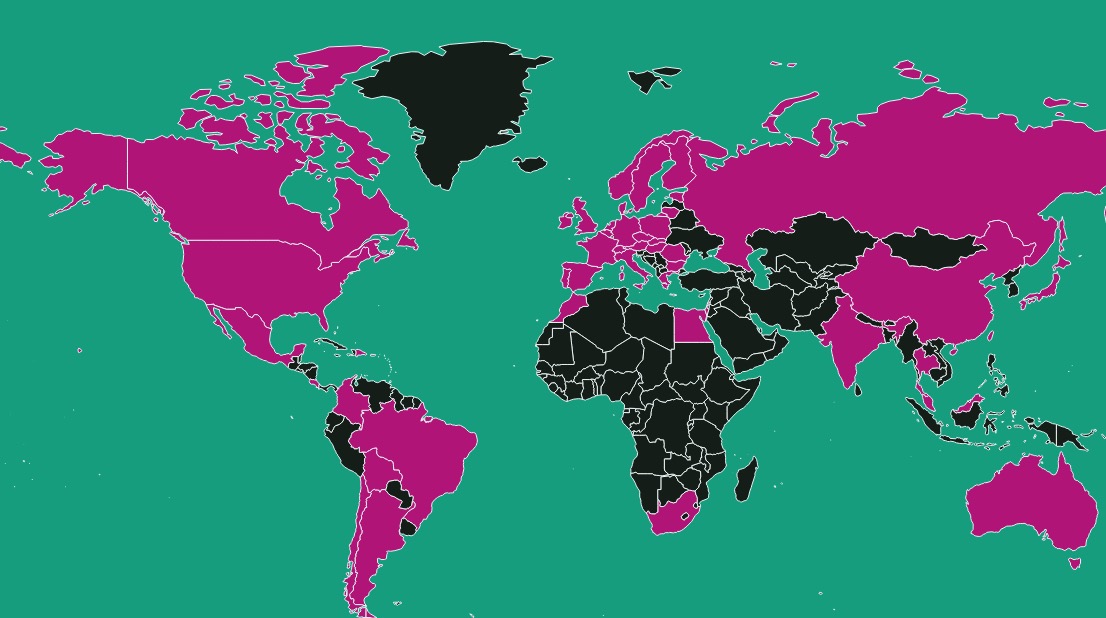
We have contacts in many countries and regions around the world.